Amino acids are fundamental building blocks of proteins and play a crucial role in numerous biological processes, including metabolism, nutrient transport, and biosynthesis. Due to their importance in pharmaceutical formulations, food production, and fermentation processes, precise control of their purity, concentration, and enantiomeric composition is essential.
Almost all amino acids are chiral molecules and therefore occur as L- and D-enantiomers, which can exhibit significantly different biological activity. For this reason, amino acid chirality testing is particularly important in pharmaceutical applications, where the biological effect is often linked to a specific enantiomer.
Chirality is a property of molecules with one or more stereocenters. Polarimeters are able to distinguish between dextrorotatory and levorotatory molecules. In chemistry, a molecule is called chiral if it cannot be superposed on its mirror image by any combination of rotations or translations, like as one’s left and right hands. That is the case if the molecule has at least one stereocenter. The molecule and its mirror image are called enantiomers. Enantiomeric purity is very important for pharmaceutical applications, since the different enantiomers have different physiological effects. The amount of enantiomeric excess (EE) or the racemic mixtures can be measured with polarimetry.
Polarimetry provides a fast, accurate, and non-destructive method for measuring optical rotation and evaluating amino acid concentration and enantiomeric composition. It can therefore support the verification of amino acid purity, identification of the correct enantiomer, and reliable quality control in pharmaceutical, food, and fermentation applications.
Why Is Chirality Important in Amino Acid Analysis?
Amino acids are chiral molecules, with the exception of glycine. This means that they can exist as two enantiomeric forms, referred to as L- and D-forms. Although these enantiomers have closely related chemical structures, they differ in their interaction with polarized light and can exhibit significantly different biological activity. When linearly polarized light passes through an optically active amino acid solution, the plane of polarization is rotated. This optical rotation provides valuable analytical information about the composition and identity of an amino acid sample and can therefore be used to support purity verification, concentration determination, and identification of the correct enantiomer.
Which Factors Affect the Optical Rotation of Amino Acids?
The magnitude of the optical rotation measured for an amino acid depends on several parameters, including:
- Concentration of the sample
- Molecular structure
- Wavelength of the light
- Path length of the measurement cell
- Temperature
- Chemical environment
For reliable results, measurements must therefore be performed under clearly defined conditions. In addition to sample concentration, parameters such as temperature, wavelength, and measurement path length influence the observed optical rotation.
How Is Amino Acid Chirality Measured by Polarimetry?
Polarimetry is a reliable non-destructive method for analyzing optically active amino acids. The technique measures the rotation of linearly polarized light as it passes through the sample. This optical rotation provides information about the specific rotation of the amino acid and can be used to evaluate its concentration and enantiomeric composition. By precisely controlling the relevant measurement conditions, polarimetry enables fast and reproducible analysis and provides a reliable approach for amino acid quality control in pharmaceutical and food applications.
Why Is Enantiomeric Purity Important in Amino Acid Quality Control?
Accurate control of amino acid chirality is particularly important when a specific enantiomer is required to achieve the desired biological effect. This makes reliable identification and control of L- and D-forms an essential quality parameter, especially in pharmaceutical applications.
Polarimetric analysis provides a non-destructive approach for determining optical rotation and enables manufacturers and laboratories to evaluate:
- Amino acid purity
- Sample concentration
- Enantiomeric composition
- Identity of the required enantiomer
- Consistency of pharmaceutical products
Reliable measurement of these parameters supports quality assurance from raw material inspection through processing to final product verification.
How Does the Chemical Environment Influence Amino Acid Optical Rotation?
The optical rotation of amino acids is strongly influenced by their chemical environment. Due to their amphoteric nature, amino acids contain both acidic (–COOH) and basic (–NH₂) functional groups. Depending on the pH of the solution, these groups can be protonated or deprotonated.
Changes in the chemical environment can therefore affect:
- Molecular structure
- Charge distribution
- Isoelectric point (pI)
- Optical rotation
The specific rotation of an amino acid can consequently change under different chemical conditions. Controlled measurement conditions are therefore essential when polarimetric results are used for purity assessment, concentration determination, or verification of enantiomeric composition.
How Is Polarimetry Used During Amino Acid Production?
In industrial biotechnology, amino acids can be produced through fermentation, followed by extraction and crystallization. Polarimetric measurements can support quality control at several stages of this process.
In applications such as amino acid production, important control points include:
- Monitoring sugar purity before fermentation
- Verification of the correct amino acid enantiomer
- Control of product purity during processing
- Final quality approval
The production process from fermentation through extraction to crystallization illustrates how polarimetry can support quality assurance at multiple stages of amino acid production.
How Does the VariPol Support Amino Acid Chirality Testing?
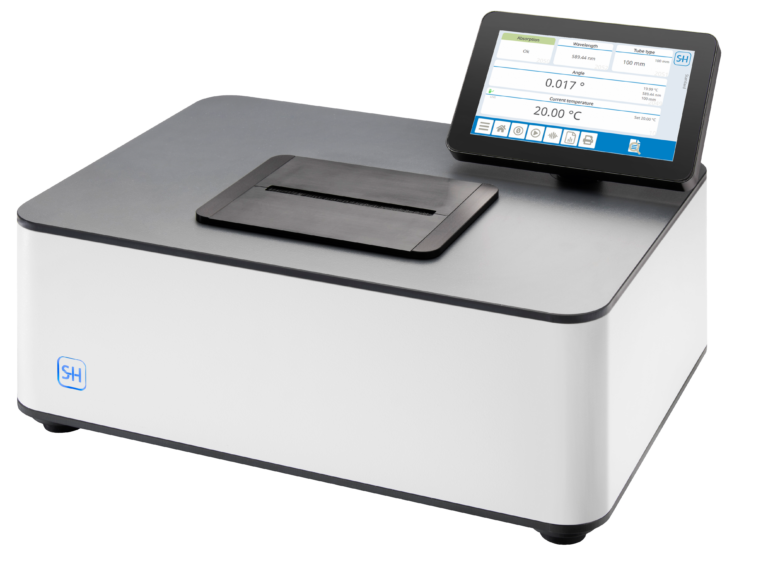
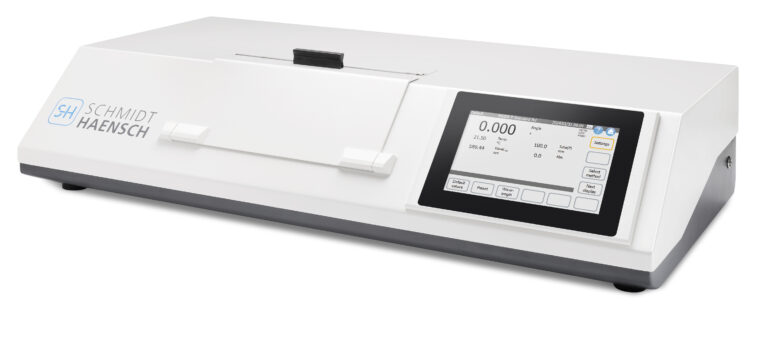
The SCHMIDT + HAENSCH
VariPol Modular Polarimeter provides a highly precise solution for determining the optical rotation of amino acids. The system enables fast and reliable measurement of specific rotation, supporting accurate control of enantiomeric composition and compliance with pharmacopeial standards. The VariPol allows measurements under defined conditions of concentration, temperature, and wavelength. This is particularly important for amino acid analysis because optical rotation can vary depending on the chemical environment and measurement conditions.
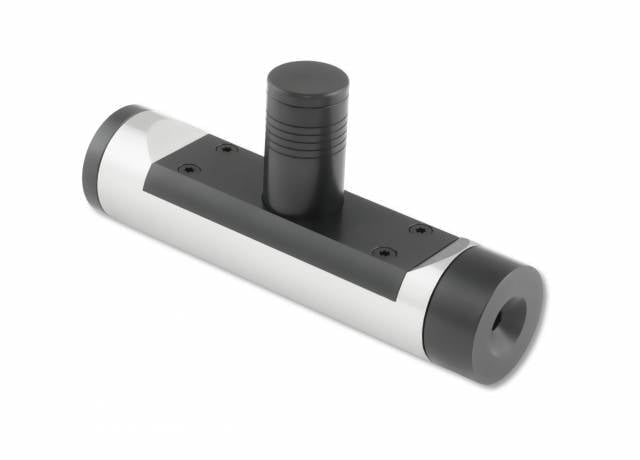
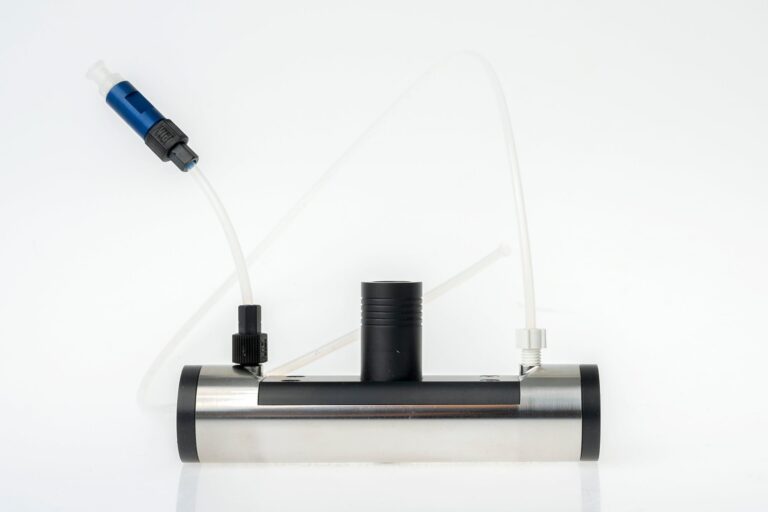
The system can be configured with accessories including:
- VariTube Flow-through, 100 mm
- VariTouch Display
- Quartz control plate
Its modular design, excellent temperature stability, and high measurement precision make the VariPol suitable for routine amino acid analysis and reliable determination of enantiomeric purity.
How Does Aquisys3 Support Data Integrity and Regulatory Compliance?
In combination with
Aquisys3 software, the VariPol provides secure data management and full traceability while supporting efficient laboratory workflows. The integrated solution supports compliance with regulatory requirements such as
21 CFR Part 11. This makes the system particularly suitable for pharmaceutical quality control, where reliable documentation, traceable measurement data, and reproducible analytical procedures are essential. By combining precise optical rotation measurement with user-friendly software and workflow integration, the VariPol and Aquisys3 provide an effective solution for reliable quality control and consistent pharmaceutical product quality.
What Are the Benefits of Polarimetry for Amino Acid Analysis?
Polarimetric measurement offers several advantages for routine quality control and amino acid chirality testing:
- High-precision optical rotation measurement
- Fast and reproducible analysis
- Non-destructive measurement
- Determination of enantiomeric purity
- Reliable verification of amino acid identity
- Excellent temperature stability
- Measurement under defined concentration, temperature, and wavelength conditions
- Compliance with pharmacopeial standards
- Reliable quality control of chiral pharmaceutical products
Because measurements can be performed quickly and reproducibly, polarimetry provides an efficient analytical approach for both laboratory quality control and process-related applications.
Where Is Polarimetry Used in Amino Acid Quality Control?
Applications include:
- Amino acid chirality testing
- Enantiomeric purity determination
- Optical rotation measurement
- Concentration determination
- Raw material inspection
- Process monitoring during amino acid production
- Verification of the correct amino acid enantiomer
- Product purity control
- Final product verification
- Pharmaceutical R&D
- Pharmaceutical and food quality control
- Fermentation process quality assurance
- Compliance with pharmacopeial standards